






Narrative-driven video game
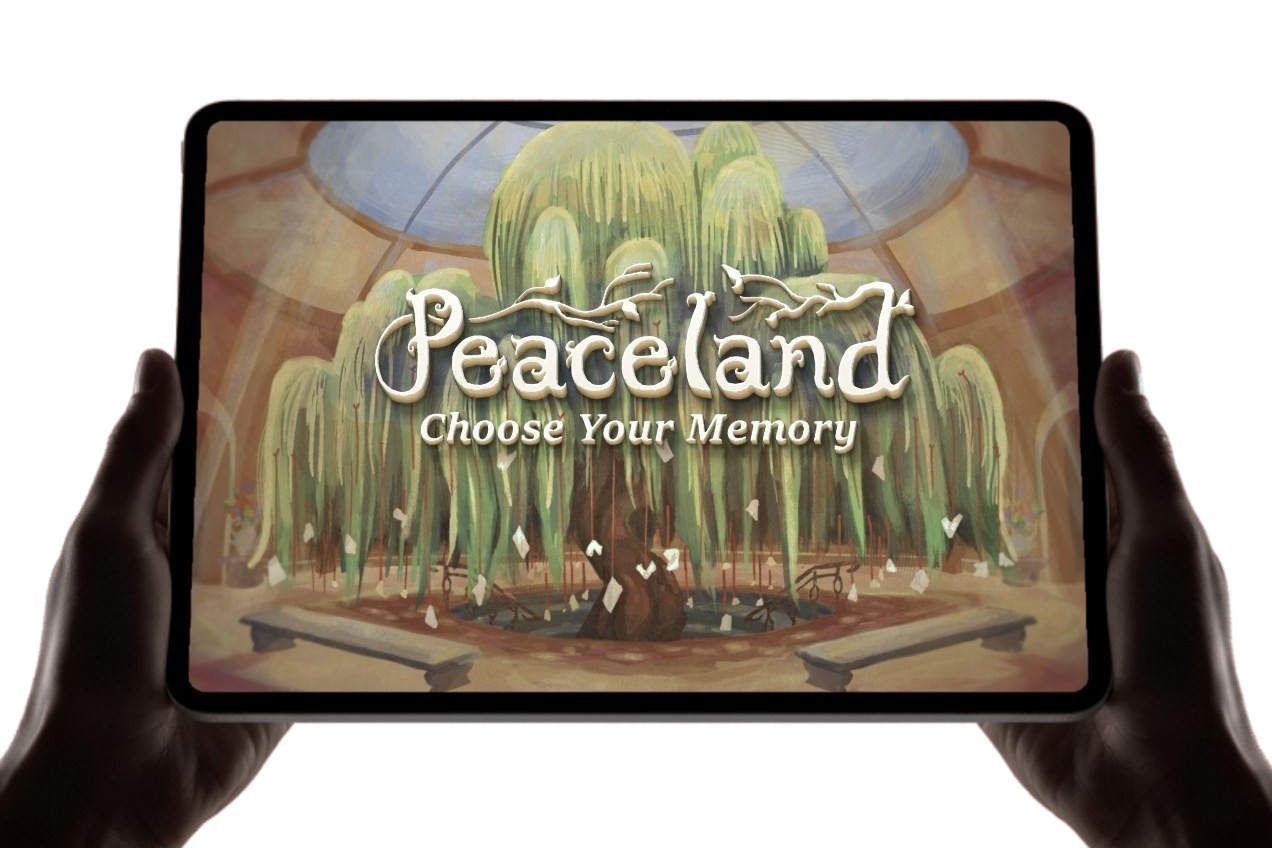
Peaceland
- Role
- UX/UI Design Team
Narrative Team - What I did
- World and characters, branching decisions and endings, in-game notebook, playtests
- Duration
- Jan 2026 – Jul 2026
- Tools
- Figma, Adobe Photoshop, Cinema4D
- Mentors
- Dr. Marcia Hartwell
Prof. Kristana Textor

A narrative video game about a country 30 years after a civil war.
Players relive survivors’ memories in a museum, and their choices shape its future.
Set in the fictional country of Streynia and built from real stories from the Balkans, it shows the war through the eyes of people on every side.
How can a game help young people move past divisions from a war they never lived through?
- Player experience: step into the other side’s story
- Authentic look: everything from real references
- Research: test if a game can reduce bias
 Trailer
Watch Peaceland
Opens on YouTube
Process – Narrative Team
Click a diagram to zoom in

Process – Design Team 2026
Read my process logClick an image to zoom in
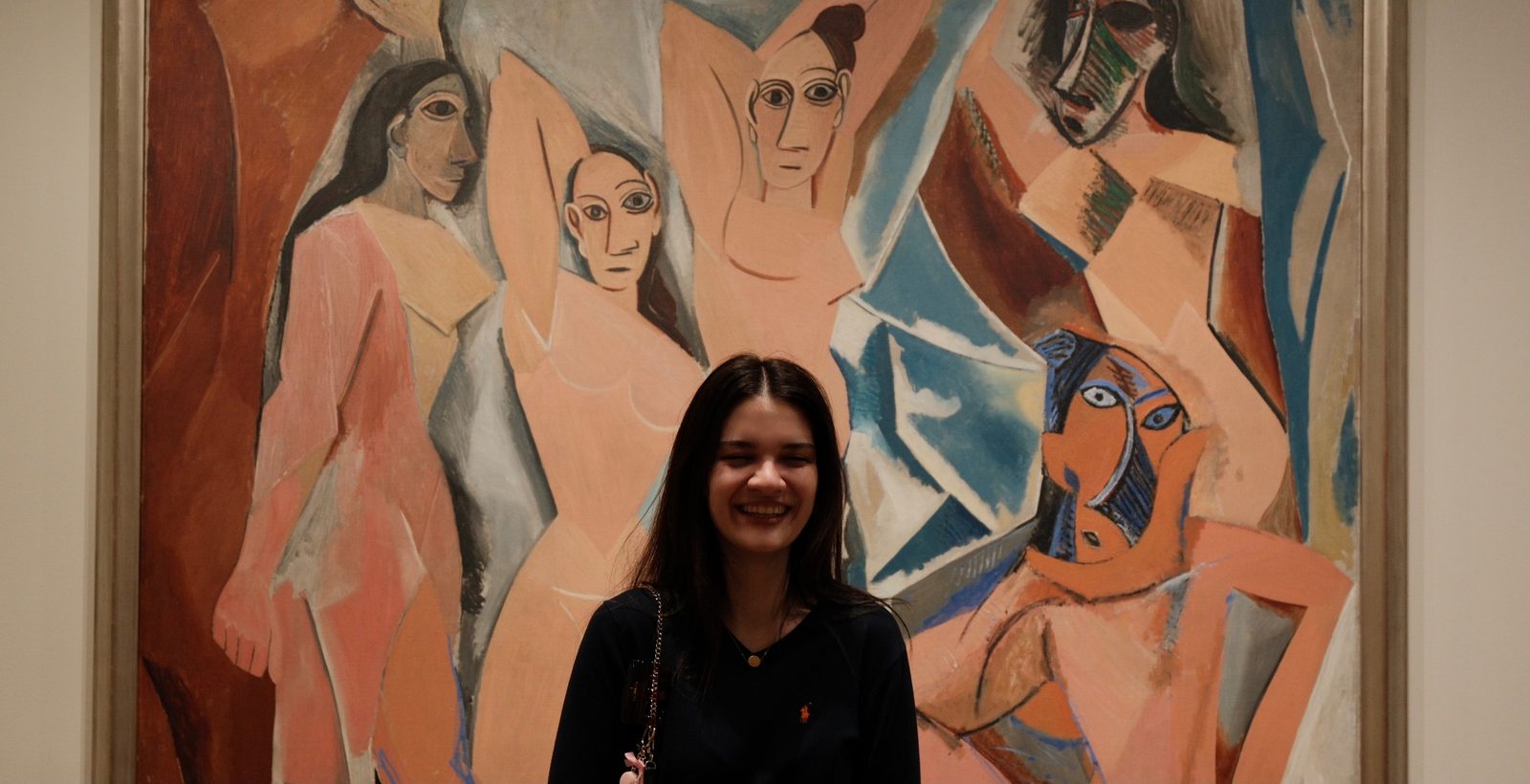
I led characterization and art research, so every character, place and artifact was researched and chosen before the Art Team drew it.
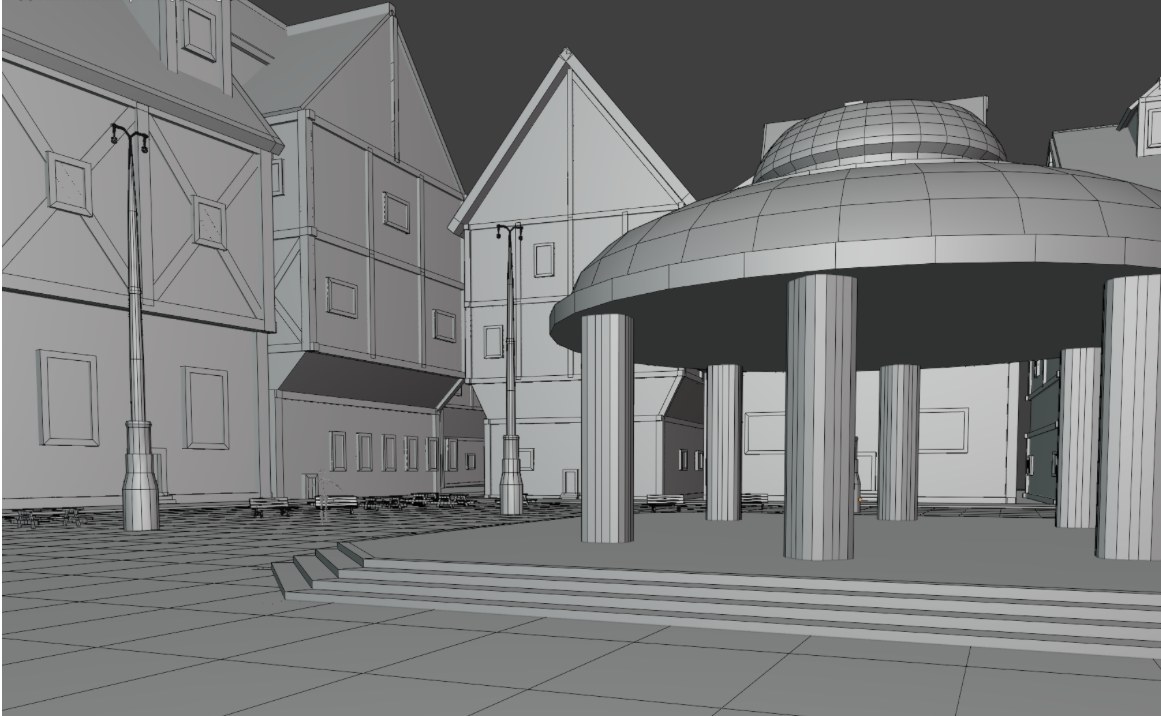
These drawings will be remodeled in 3D for the game.
Characters
Memory tree, city hall & mini-game
Results
Many players first bonded with the character most “like them.” By the end, they had switched.
Player interviews
Playtests
40+players tested the prototype as we iterated on their feedbackRegions
4international regions for playtests and stakeholder interviewsLanguages
3languages for the research and playtestsWhat players noticed
- “Very authentic.”
- Two playtesters, aged 32 and 57, said the game felt not only about them, but for them.
- The art: the museum tree, the town square updating, and the living-room details: crochet, wallpaper and plants.
- Authentic props: the memorial chocolate cake, packing the suitcase, the bakery and the ID badge art.
Recognition
Awards & exhibitions
- Schwartz Discover Scholar · 2026 grant for summer research
- Imagine RIT · April 25, 2026
- Undergraduate Research Poster Showcase · October 30, 2026
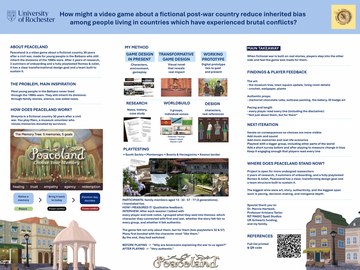
Research question · Schwartz Discover Scholar“How might a video game about a fictional post-war country reduce inherited bias among people living in countries which have experienced brutal conflicts?”